How Many Coin Changers Does an Arcade Need? Capacity & Placement Guide

Choosing the right number of coin changers is less about venue size alone and more about peak-hour demand, token volume and customer flow. This guide shows arcade operators how to estimate changer capacity, decide where machines should be placed and plan for future expansion.
For arcade operators, deciding how many coin changers to install is not simply a matter of venue size. The better approach is to look at peak-hour demand, token usage, customer movement, and refill frequency.
A small venue may operate efficiently with one well-placed machine, while a larger FEC may need several units across different game zones. The goal is simple: customers should be able to exchange and continue playing without unnecessary waiting or walking.
Start With Peak-Hour Token Demand
Average weekday traffic can be misleading. Your equipment should be planned around the busiest periods, such as weekends, holidays, and evening sessions.
A simple estimate can help:
Peak transactions per hour × average tokens per transaction = estimated hourly token demand
For example:
100 transactions × 20 tokens = 2,000 tokens per hour
This gives operators a clearer idea of whether one machine can comfortably support the busiest part of the day.
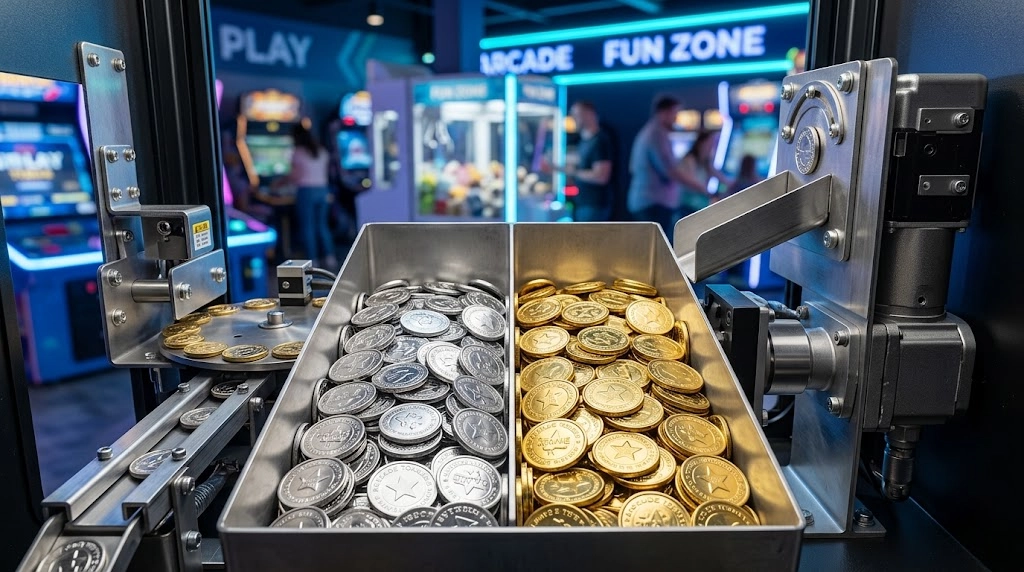
Hopper capacity also matters. A unit that handles normal traffic but requires frequent refilling during peak hours may still interrupt operations.
Instead of choosing capacity only by machine specifications, consider how often your staff would realistically need to refill it during busy periods.
How Many Coin Changers Does an Arcade Need?
There is no universal number, but venue layout and customer flow can provide a useful starting point.
| Venue Situation | Suggested Starting Point |
|---|---|
| Small arcade with one main game area | 1 unit |
| Medium arcade with several game zones | 1–2 units |
| Large FEC with heavy peak traffic | 2 or more units |
| Multi-zone entertainment venue | Units near major spending areas |
These numbers should be treated as planning references rather than fixed rules.
A compact arcade with heavy traffic may need more exchange capacity than a much larger venue with fewer coin-operated games.
The better question is:
Can customers get what they need quickly without creating queues or interrupting staff?
If the answer is no, additional capacity may be justified.
Where Should Coin Changers Be Placed?
Placement can be just as important as quantity.
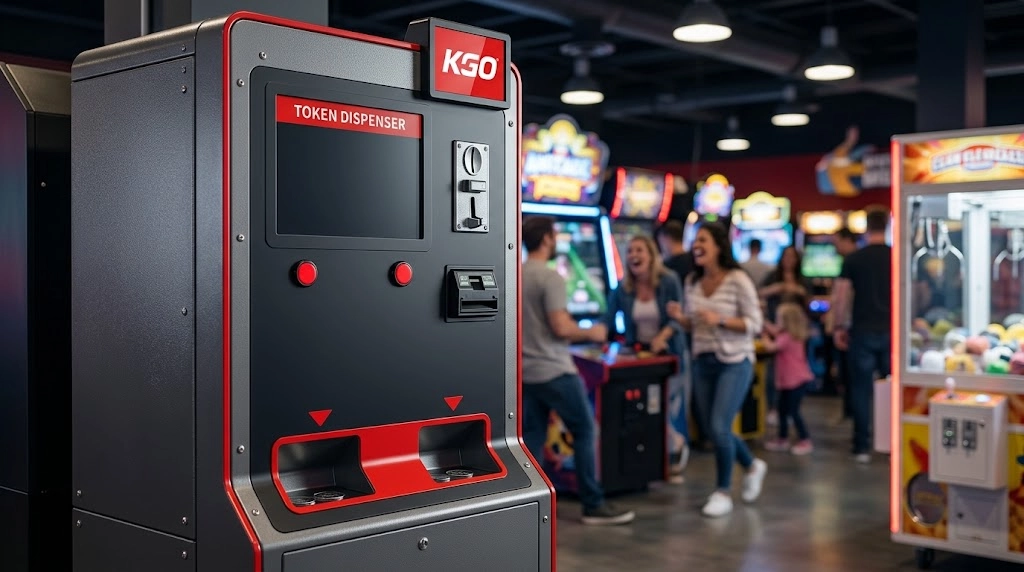
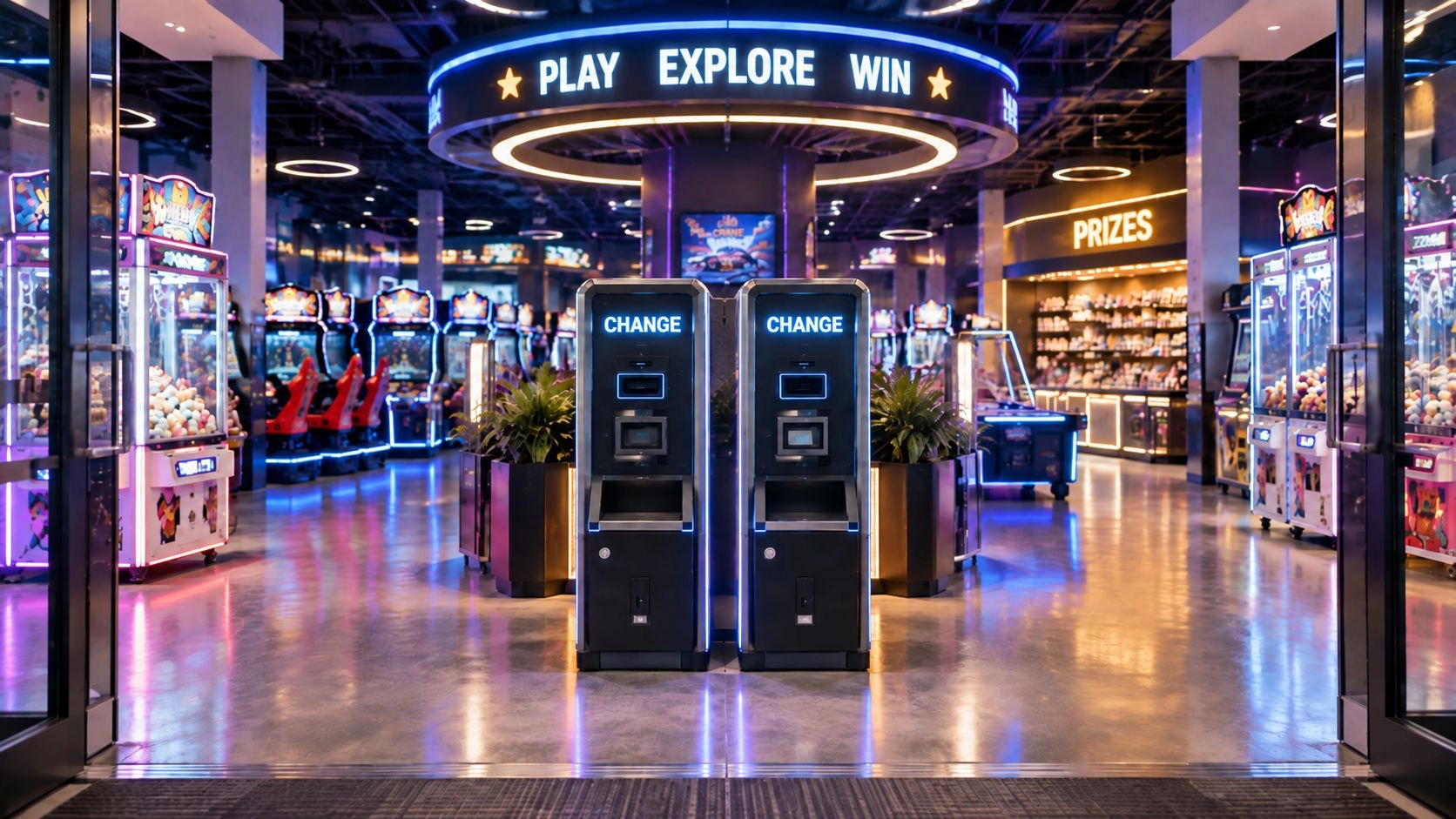
Good locations are areas where customers naturally need access to coins or tokens, including:
-
Near the arcade entrance
-
Along the main circulation route
-
Close to high-traffic game zones
-
Beside claw machine areas
-
Near redemption or secondary play zones
Avoid placing every unit beside the cashier simply because it is convenient for staff.
If customers must walk across the entire venue each time they need more tokens, the extra step can interrupt the playing experience.
For larger venues, distributing machines across major activity zones can make the customer journey smoother and reduce pressure on a single location.
When Should You Add a Second Machine?
A second unit may be worth considering when operational problems begin appearing during busy periods.
Common signals include:
Queues during peak hours
Customers regularly wait to exchange before returning to games.
Frequent refilling
Staff repeatedly interrupt other tasks to replenish the machine.
Long walking distances
Customers in one game zone must cross the venue to get more tokens.
Independent high-spending zones
Claw machines, redemption games, or other popular sections generate enough activity to support their own exchange point.
Growth in visitor volume
Your existing setup worked when the arcade opened, but current traffic has outgrown it.
Adding another machine is not only about increasing capacity. In many venues, it is also about shortening the distance between “I want to keep playing” and “I’m playing again.”
Plan for Customer Flow, Not Just Floor Space
The right setup should match how people actually move and spend inside your arcade.
Before deciding, review three things:
Peak-hour token demand, refill frequency, and the distance customers travel to exchange.
If one machine can comfortably support all three, adding more may be unnecessary. If queues, staff interruptions, or long walking routes are becoming common, an additional unit or a better placement strategy can improve the flow of the venue.
For questions about currency compatibility, token size, security, and machine configuration, operators should evaluate those factors separately as part of the equipment selection process.
Stop Refilling Coins All Day: How to Choose the Right Hopper Capacity
Running a Busy FEC? Here’s Why the Right Coin Changer Matters More Than You Think
Bill to Coin vs Bill to Token: Which Arcade Payment System Fits Your Business?
How Much Does an Arcade Coin Changer Cost? A Complete Pricing Guide
FAQ-1
How Do I Choose The Right Coin Change Machine For My Venue?
The right solution depends on your venue size, customer flow, installation space, and payment requirements.
Where Are Coin Change Machines Commonly Used?
Coin change machines are commonly used in arcades, family entertainment centers, amusement parks, shopping mall entertainment zones, and other commercial venues.
FAQ Section
Do you offer discounts for bulk purchases or distributors?
Definitely. As a factory, we provide tiered wholesale pricing. We also have a "Partner Program" for distributors looking to represent Marwey in their local market. Contact us for a customized quote.
Can I track my sales data remotely?
Yes! We offer an optional IoT/GSM Cloud Management System.
How secure is the machine against theft or tampering?
Security is our priority. Marwey machine features a 1.5mm to 2.0mm heavy-duty steel cabinet, reinforced anti-prying locks. It’s built like a vault to protect your revenue in unmanned locations.
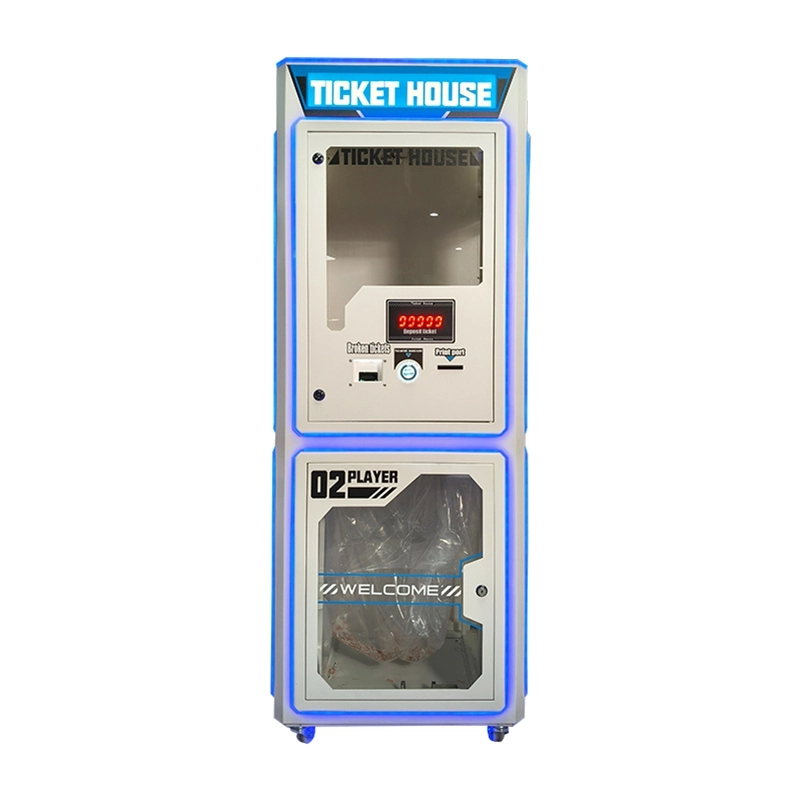
Commercial Arcade Game Three Sided Ticket Breaking House Ticket Shredder Counter Machine
The three-sided ticket breaking house arcade ticket shredder counter machine efficiently counts and shreds tickets. Ideal for arcades, this ticket eater ensures fast, accurate lottery counting and ticket management, boosting operational efficiency and reducing errors.
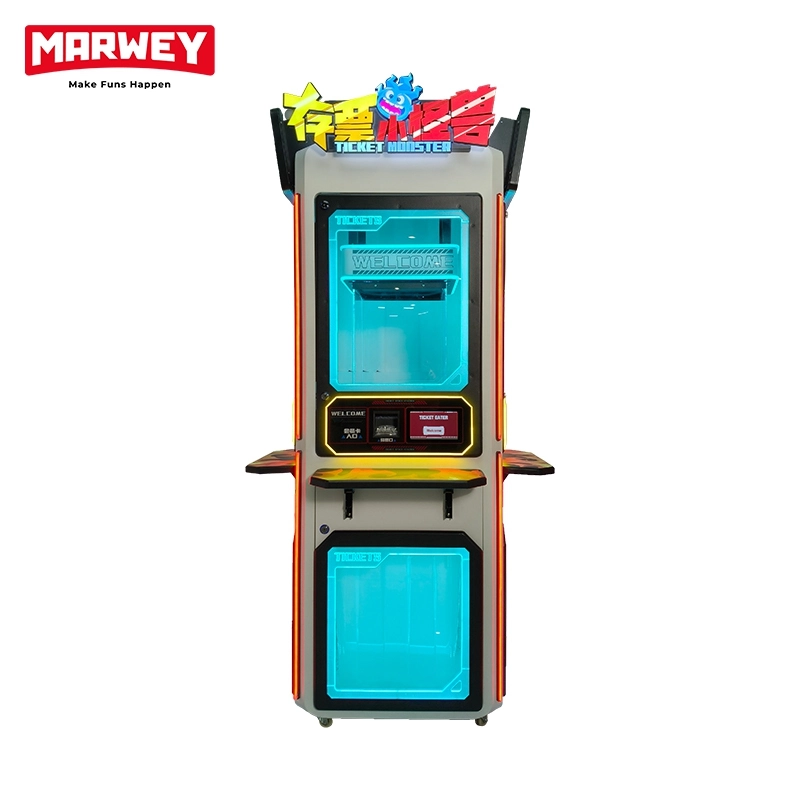
MARWEY SPJ002 Arcade Ticket Shredder Machine with Touch Screen, Receipt Printer and Storage Bin for Redemption Center Operations
SPJ002 records players’ earned ticket data, issues a printed redemption record, and shreds inserted paper tickets after processing. It helps arcades and FECs manage ticket redemption in a more organized and controlled workflow.
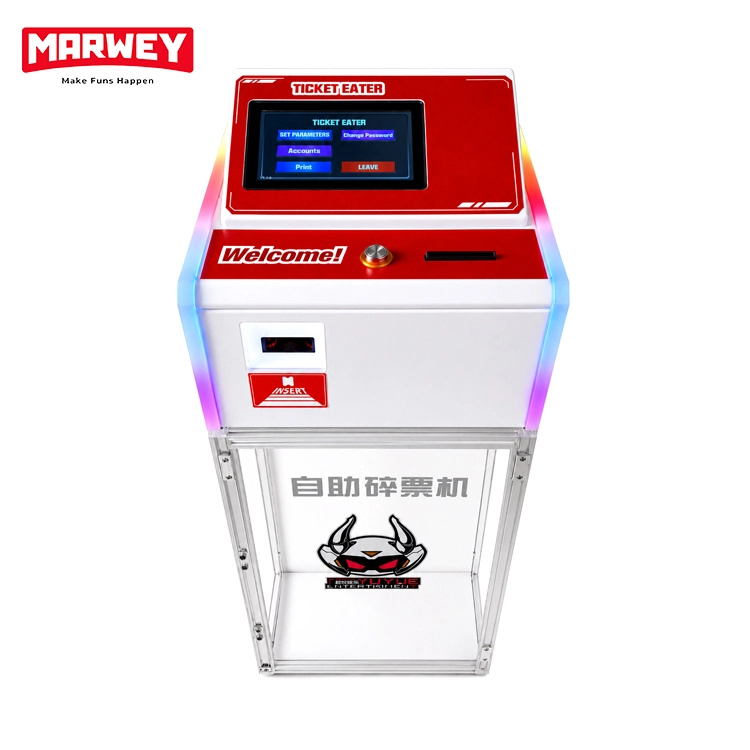
MARWEY SPJ004 Countertop Arcade Ticket Eater Machine with Touch Screen Print Function for FEC Redemption Counters and Game Rooms
SPJ004 is a compact countertop ticket processing machine for arcade redemption desks combining ticket intake touchscreen control ticket shredding and receipt printing to help operators manage used paper tickets and redemption records more efficiently.
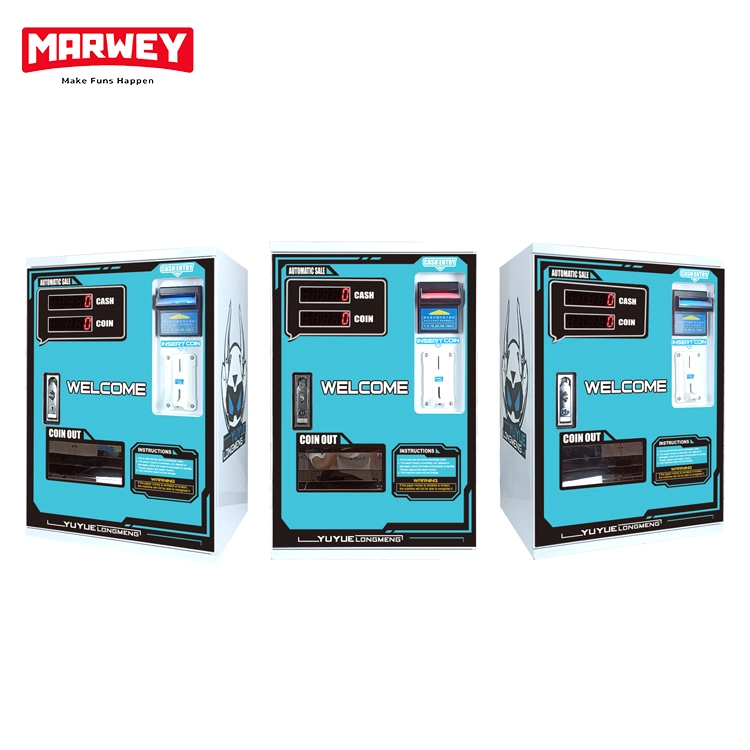
Commercial Coin Changer & Token Dispenser Machine with Bill Acceptor | MARWEY
Commercial self-service coin changer for arcades, FECs and amusement venues. Supports bill and coin input, on-screen token selection and fast token dispensing in a compact W43 × D37 × H65 cm cabinet.
Floor 2, Building E, Hengran Creative Park, Shixin Road, Panyu District, Guangzhou, Guangdong, China.
edison@mar+86 189 2218 4260wey.com
+86 189 2218 4260
Coin Changer Machine
Marwey Amusement
Arcade Marwey
marwey_arcade
Marwey
Whatsapp: +8618922184260